Booking a headline artist for a private event in Dubai
From November to April, Dubai becomes one of the busiest private-event cities in the world. A headline performance there is very achievable, provided the calendar, the permits and the production are planned in the right order.
Why the winter months matter
The Gulf season runs roughly from November to April, when evenings are cool enough for terraces, beaches and desert camps. It is also when international artists are most likely to be in the region: arena shows, festival weekends and the Formula 1 finale in Abu Dhabi bring touring parties through the Emirates, and a private date placed close to an existing routing is easier for management to consider. Outside these months, events move indoors into ballrooms and private halls, which remains entirely workable, but outdoor formats become difficult from late spring onwards.
Working around Ramadan and the holidays
The single most important date in a Dubai brief is Ramadan. In 2027 it is expected to begin on or around 8 February and last 29 or 30 days, with Eid Al Fitr following in early March; the exact start is confirmed by moon sighting only a day ahead. Amplified entertainment during the holy month is rarely appropriate, so celebrations are usually planned for the weeks before or after. The festive period from mid-December to early January is the other pressure point: hotel inventory is tight, flights are full and many headline artists are already committed to New Year engagements. A brief with a preferred date and two alternatives outside these windows gives management real room to say yes.
Choosing the room
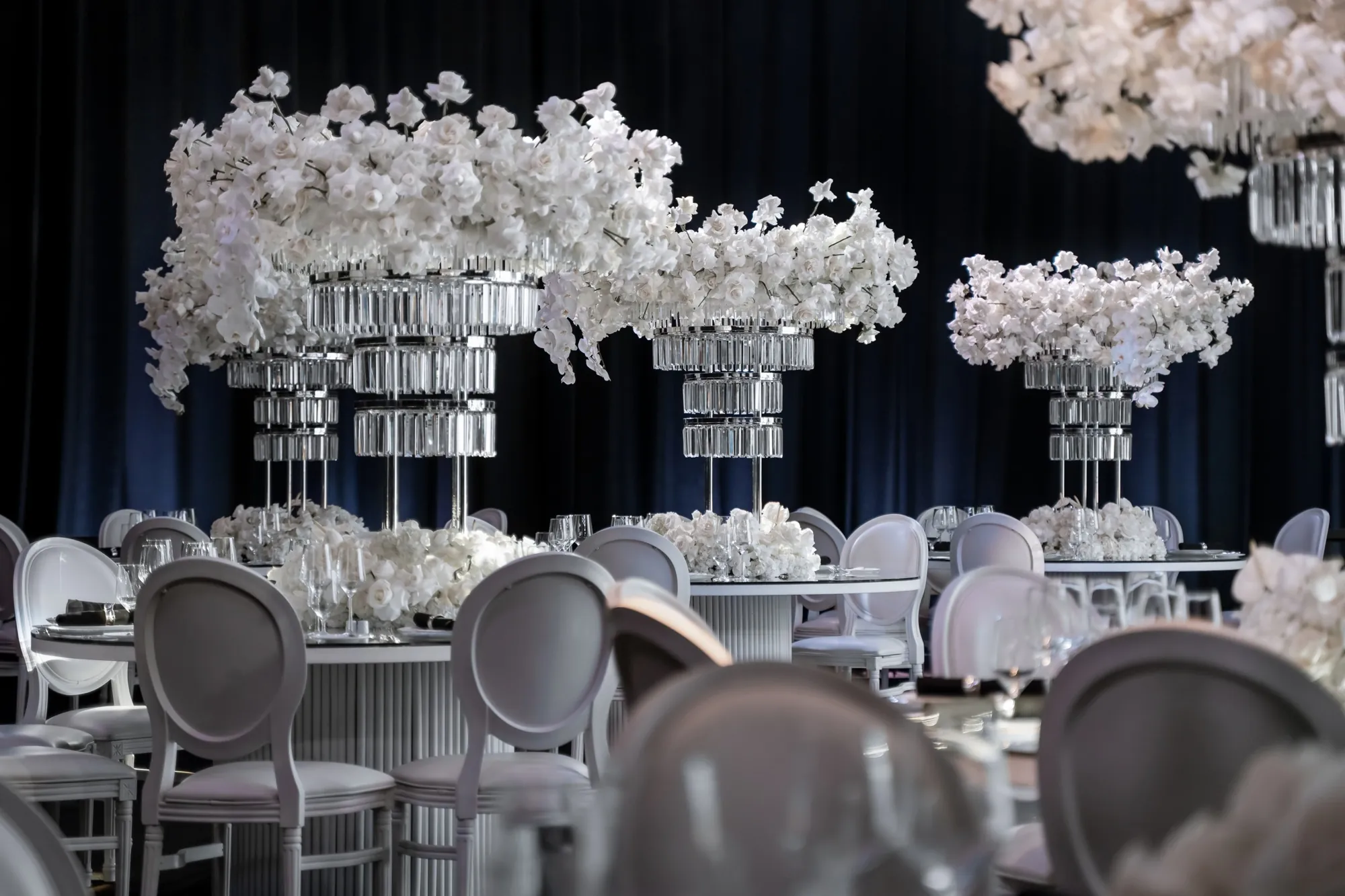
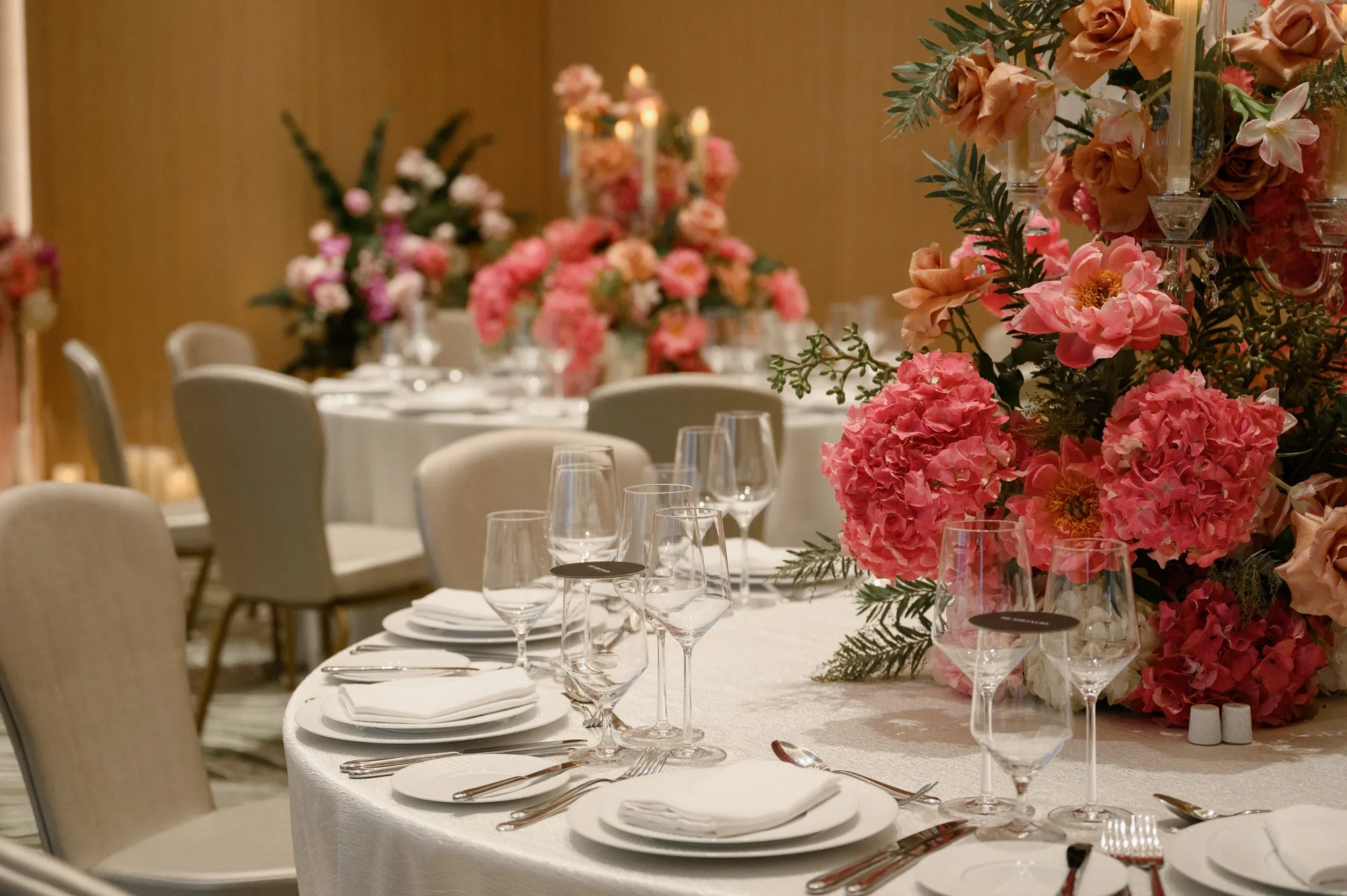
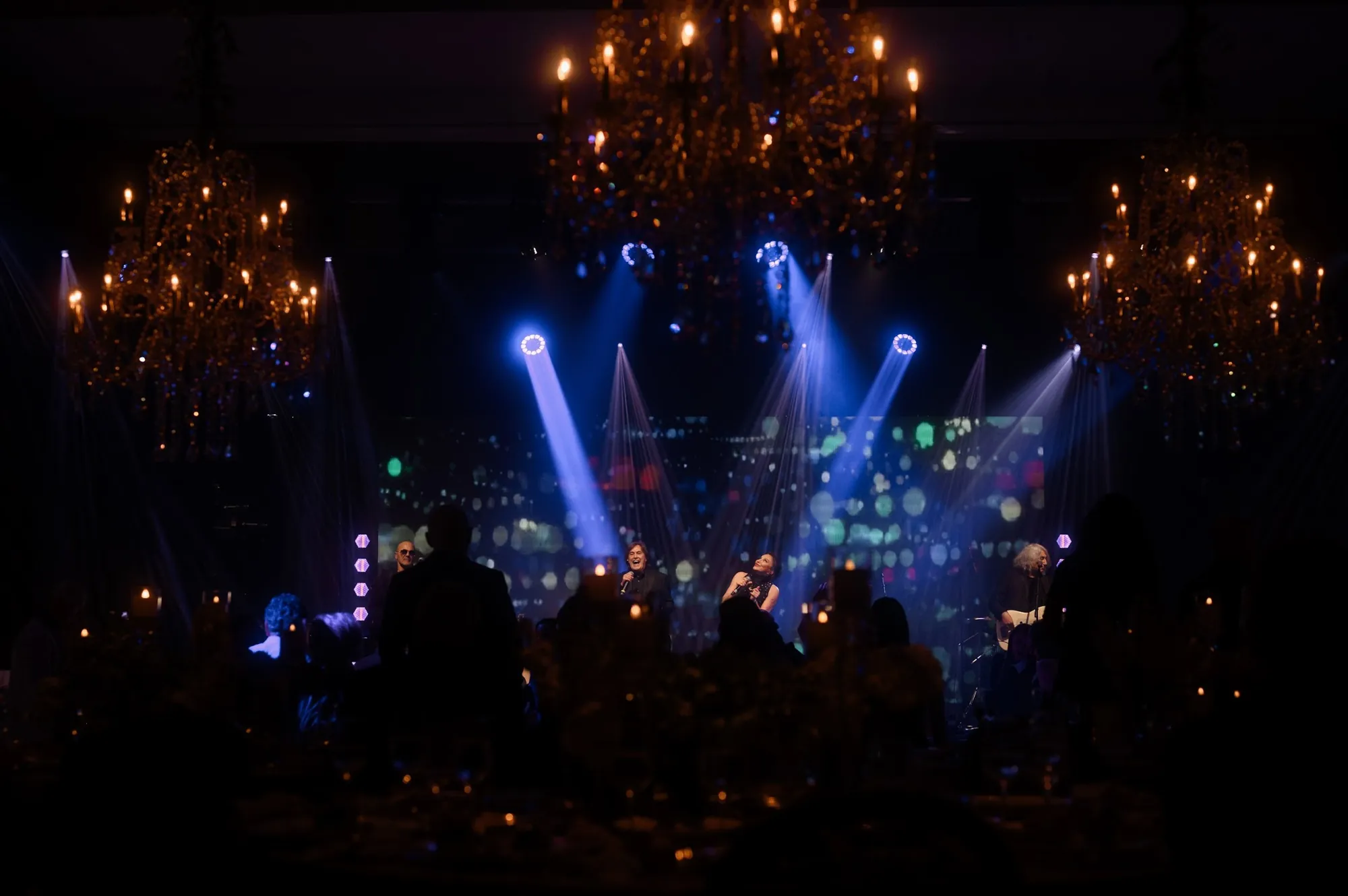
Dubai offers almost every format. The large beachfront resorts on Palm Jumeirah and along Jumeirah Beach have ballrooms built for galas of several hundred guests, with loading docks and rigging points that suit a full touring production. Private villas and estates offer intimacy, but sound limits, neighbours and access for trucks need to be checked early. Desert camps outside the city are spectacular for smaller gatherings, though power, staging and the cooler night temperatures must be planned for. Yachts and beach clubs suit DJ sets and acoustic formats better than a full band. Whatever the setting, the venue’s own rules on curfew, sound levels and outside suppliers define what is possible before any artist is approached.
Permits, content and compliance
Live entertainment in Dubai is regulated. Public, ticketed and large private events generally require an event permit through the Department of Economy and Tourism’s e-permit system, and performers need the corresponding entertainer approvals; events in free zones may fall under a different authority. Hotels and established venues usually handle much of this through their own channels, which is one reason they are often the simplest choice. Set lists, costumes and stage content should respect local guidelines, and reputable artists’ teams are accustomed to adapting. A national framework for licensing music in commercial settings also comes into force in December 2026; your venue will know whether it applies to your event. We build these steps into the timeline from the first call, so that nothing depends on last-minute approvals.
Arrivals, aviation and the touring party
Private aircraft serving Dubai land either at Dubai International (DXB), close to the city, or at Al Maktoum International (DWC) in Dubai South, which operates around the clock and has several dedicated private terminals. For a touring party arriving with instruments and equipment, DWC is often the calmer option, while DXB is closer to the beach resorts. Ground transport, hotel blocks, security and a quiet green room near the stage are part of the artist’s rider, and in the Gulf they are expected to be handled with care. Heavy production can be sourced locally: the Emirates have a deep supplier base for staging, sound and lighting, which reduces freight and simplifies customs.
Timing the performance
For a gala dinner, the strongest moment is usually after the main course, once speeches are finished and the room is ready to stand. A 45 to 75 minute headline set is typical for private engagements; anything longer should be discussed at the offer stage rather than on the night. Multicultural guest lists are common in Dubai, so a programme that moves between languages and generations works well: an international pop name for the main set, a Latin or Italian voice for an older table, a DJ to carry the party past midnight. Catalogue artists such as Enrique Iglesias, Eros Ramazzotti or David Guetta illustrate the range of formats clients ask about; whether any particular artist is available for a private date is always a matter for their management.
Discretion and the paperwork
Many Dubai events are hosted by families and companies that prefer not to be named. A mutual non-disclosure agreement precedes any detailed discussion, and photography of the artist follows exactly what the contract allows. Headliners is an independent agency: we present the request to the artist’s management, coordinate the offer, contract and production, and keep the client’s identity confidential throughout. For peak winter dates, the most reliable approach is to begin four to eight months ahead, with a clear brief, a venue shortlist and the decision-makers available to sign when interest is confirmed.
Questions
When is the best time to book a private performance in Dubai?
Between November and April, avoiding Ramadan and the busiest festive weeks. For these months, start four to eight months ahead.
Do private events in Dubai need a permit?
Larger private and all public events generally need an event permit and entertainer approvals. Established venues usually assist, and we include the process in the production timeline.
Can a headline artist perform at a private villa or desert camp?
Often yes, depending on sound limits, access, power and the artist’s production needs. Acoustic and DJ formats are the most flexible.